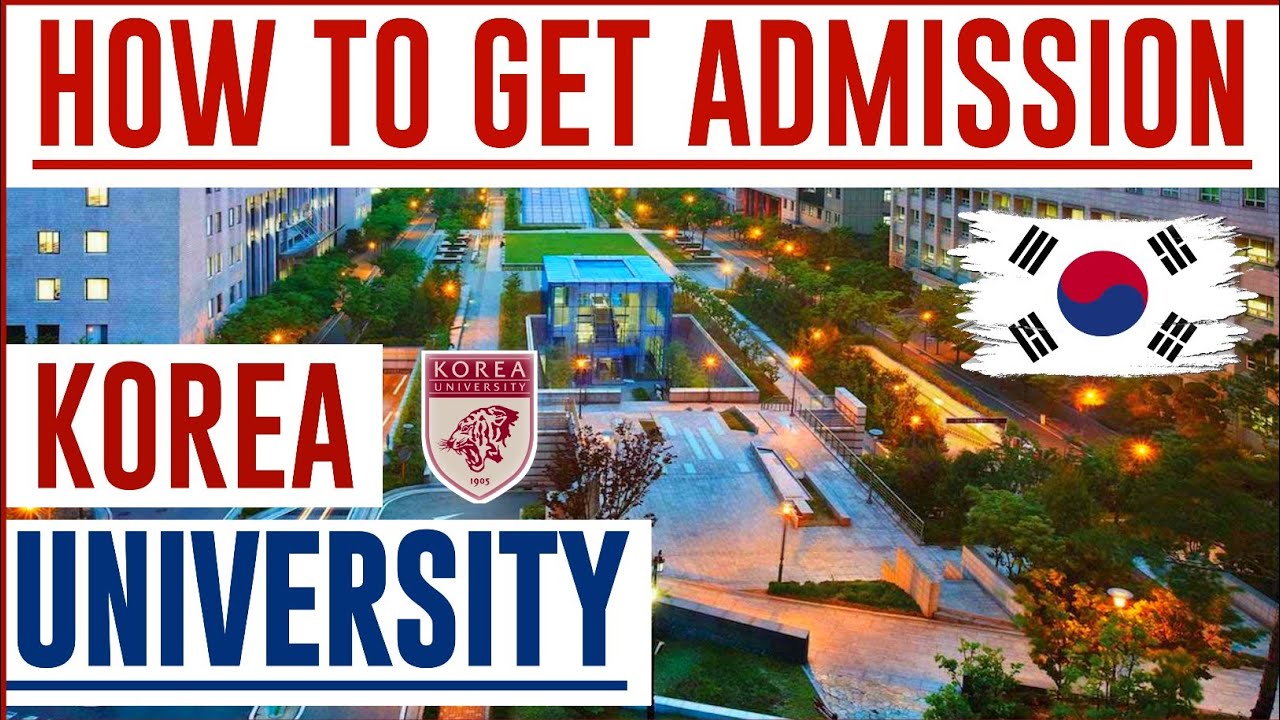
South Korea has become one of the most popular study destinations for Nepalese students due to its high-quality education, affordable tuition fees, advanced technology, global rankings, and generous scholarships. Every year, thousands of international students choose South Korea for undergraduate, graduate, and language programs.
If you are planning to get admission in South Korea from Nepal, this detailed guide will walk you through eligibility criteria, admission process, university requirements, costs, and FAQs.
Why Study in South Korea?
South Korea offers:
- World-ranked universities (QS Top 100)
- Affordable tuition compared to Western countries
- Programs taught in English and Korean
- Strong job prospects and post-study opportunities
- Scholarships like GKS (Global Korea Scholarship)
Step-by-Step Process to Get Admission in South Korea from Nepal
Step 1: Choose Your Program and University
You can apply for:
- Korean Language Program
- Bachelor’s Degree
- Master’s Degree
- PhD Programs
Step 2: Check Eligibility Criteria
Each university has its own criteria, but general requirements are listed below.
Step 3: Prepare Required Documents
- Academic transcripts
- Passport
- Statement of Purpose (SOP)
- Recommendation Letters
- Language proficiency certificates
- Financial documents
Step 4: Apply to Universities
Applications can be submitted:
- Directly to universities
- Through official representatives in Nepal
- Via scholarship programs like GKS
Step 5: Receive Offer Letter & Apply for Visa
After acceptance, apply for a D-2 (Degree) or D-4 (Language) visa.
Admission Criteria for Top Universities in South Korea
Note: Criteria may vary by department. Below are standard admission requirements.
1. Seoul National University (SNU)
- Minimum GPA: 3.0/4.0
- English proficiency: IELTS 6.5+ / TOEFL iBT 80+
- Korean proficiency (for Korean-taught): TOPIK Level 4+
- Strong SOP & academic background
2. Korea University
- Minimum GPA: 2.8/4.0
- IELTS 6.0+ or TOPIK Level 3+
- Relevant academic background required
3. Yonsei University
- GPA: 3.0/4.0 or above
- IELTS 6.5+ / TOPIK 4+
- Recommendation letters mandatory
4. KAIST (Science & Technology Focus)
- Strong academic background in STEM
- IELTS 6.5+ / TOEFL 83+
- Research proposal (for Master’s/PhD)
5. Hanyang University
- GPA: 2.7+
- IELTS 6.0+ or TOPIK Level 3
- Portfolio (for design/architecture programs)
6. Kyung Hee University
- GPA: 2.5+
- IELTS 5.5–6.0
- Flexible entry requirements
Tuition Fees & Living Costs (KRW & NPR)
Tuition Fees (Per Year)
| Program | Cost (KRW) | Approx. Cost (NPR) |
| Korean Language Program | ₩4,000,000 – ₩6,000,000 | NPR 400,000 – 600,000 |
| Bachelor’s Degree | ₩6,000,000 – ₩12,000,000 | NPR 600,000 – 1,200,000 |
| Master’s Degree | ₩7,000,000 – ₩15,000,000 | NPR 700,000 – 1,500,000 |
| PhD Programs | ₩6,000,000 – ₩14,000,000 | NPR 600,000 – 1,400,000 |
(1 KRW ≈ NPR 0.10 – approximate)
Living Costs in South Korea
| Expense | Monthly Cost (KRW) | Monthly Cost (NPR) |
| Accommodation | ₩300,000 – ₩600,000 | NPR 30,000 – 60,000 |
| Food | ₩300,000 – ₩500,000 | NPR 30,000 – 50,000 |
| Transportation | ₩50,000 – ₩100,000 | NPR 5,000 – 10,000 |
| Miscellaneous | ₩100,000 | NPR 10,000 |
Average Monthly Living Cost:
₩800,000 – ₩1,200,000 (NPR 80,000 – 120,000)
Language Requirements
English-Taught Programs
- IELTS: 5.5 – 6.5
- TOEFL iBT: 70 – 90
Korean-Taught Programs
- TOPIK Level 3 to 6 depending on university
Some universities allow conditional admission without TOPIK.
Scholarships for Nepalese Students
- Global Korea Scholarship (GKS)
- University-based tuition waivers (30%–100%)
- Research assistantships
- TOPIK-based scholarships
South Korea Student Visa from Nepal
Visa Types
- D-2: Degree Programs
- D-4: Language Programs
Required Documents
- Admission letter
- Bank balance certificate
- Academic documents
- Visa application form
- Passport
Intake Seasons in South Korea
- Spring Intake: March (Best intake)
- Fall Intake: September
- Language programs: March, June, September, December
10 Frequently Asked Questions (FAQs)
1. Can Nepalese students study in South Korea without IELTS?
Yes, for Korean-taught programs or language courses. Some universities offer conditional admission.
2. How much bank balance is required for South Korea from Nepal?
Usually ₩10,000,000 – ₩20,000,000 (NPR 1,000,000 – 2,000,000).
3. Is South Korea affordable for Nepalese students?
Yes, tuition and living costs are lower than the USA, UK, and Australia.
4. Can I work part-time in South Korea?
Yes, up to 20 hours per week during semesters.
5. What GPA is required to study in South Korea?
Minimum GPA ranges from 2.5 to 3.0 depending on the university.
6. Are scholarships available for Nepalese students?
Yes, including GKS and university scholarships.
7. Is the Korean language mandatory?
Not for English-taught programs, but learning Korean improves job opportunities.
8. Which intake is best for South Korea?
Spring intake (March) is the best due to more scholarships and course options.
9. Can I apply directly from Nepal?
Yes, students can apply directly or through authorized education consultancies.
10. Is South Korea safe for international students?
Yes, South Korea is one of the safest countries in Asia.
Conclusion:
Getting admission in South Korea from Nepal is a smart and achievable choice with the right guidance. From affordable education to global exposure, South Korea offers excellent opportunities for Nepalese students. Proper planning, correct documentation, and timely application are the keys to success.