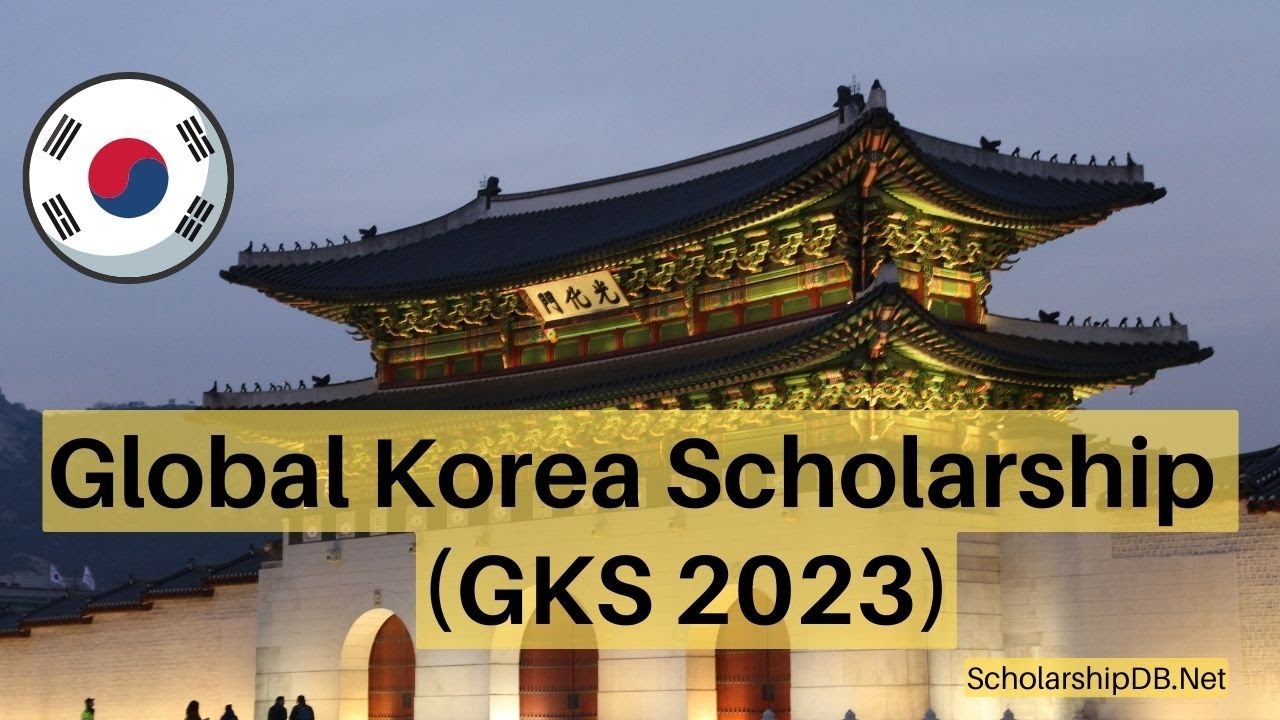
South Korea has become one of the most popular study destinations for Nepalese students due to its high-quality education, advanced technology, global university rankings, and generous scholarship opportunities.
Every year, hundreds of international students from Nepal receive fully funded and partially funded scholarships to study in South Korea at the undergraduate, master’s, and PhD levels.
If you are a student from Nepal dreaming of studying in South Korea with financial support, this guide will walk you through types of scholarships, eligibility criteria, application process, required documents, and practical tips to increase your chances of success.
Why Study in South Korea with a Scholarship?
South Korea invests heavily in education and international cooperation. Many Korean scholarships cover:
- 100% tuition fees
- Monthly living allowance
- Free Korean language training
- Medical insurance
- Airfare (in most fully funded programs)
With these benefits, Nepalese students can focus on their studies without worrying about financial pressure.
Types of Scholarships in South Korea for Nepalese Students
1. Global Korea Scholarship (GKS)
The Global Korea Scholarship (formerly KGSP) is the most popular and prestigious scholarship offered by the Korean government.
Coverage includes:
- Full tuition fee
- Monthly stipend
- Korean language training (1 year)
- Medical insurance
- Airfare
Available for:
- Undergraduate
- Master’s
- PhD
- Research programs
Nepalese students can apply through:
- Embassy Track (via Korean Embassy in Nepal)
- University Track (directly to Korean universities)
2. University-Specific Scholarships
Many Korean universities offer their own scholarships based on academic excellence.
Common benefits:
- 30% to 100% tuition fee waiver
- Monthly allowance (in some cases)
Top universities offering scholarships:
- Seoul National University
- Korea University
- Yonsei University
- KAIST
- POSTECH
3. Korean Government & Private Foundation Scholarships
Other organizations and foundations also provide scholarships, such as:
- Korea Foundation Scholarships
- POSCO TJ Park Foundation
- Samsung Global Scholarship Program
These scholarships are competitive but highly rewarding.
Eligibility Criteria for Scholarships in South Korea
Although requirements vary by scholarship, general eligibility includes:
- Nepalese citizenship
- Strong academic background: A cumulative GPA of 80% or higher on a 100-point scale or top 20% ranking in previous education.
- Age limit: Under 25 for undergraduate; under 40 for Master’s/PhD.
- Good physical and mental health
- English or Korean language proficiency (TOPIK or IELTS preferred): Level 3 or higher
- No previous Korean government scholarship restrictions
Step-by-Step Process to Apply for Scholarship in South Korea from Nepal
Step 1: Choose Your Study Level & Course
Decide whether you want to pursue:
- Bachelor’s degree
- Master’s degree
- PhD or research program
Select courses that match your academic background.
Step 2: Research Scholarship Options
Check:
- Official GKS announcements
- University scholarship pages
- Korean Embassy in Nepal updates
Step 3: Prepare Required Documents
Common documents include:
- Academic transcripts and certificates
- Passport copy
- Recommendation letters
- Study plan / Statement of Purpose (SOP)
- Research proposal (for Master’s/PhD)
- Language proficiency certificates
- Medical assessment form
All documents must be properly attested and translated (if required).
Step 4: Submit Application
- Embassy Track: Submit documents to the Korean Embassy in Nepal
- University Track: Apply directly to the selected university
Always submit before the deadline.
Step 5: Interview & Selection
Shortlisted candidates may be called for:
- Document verification
- Interview (online or in-person)
Final results are announced by NIIED (Korean education authority).
Step 6: Visa Application
Once selected, apply for a D-2 student visa at the Korean Embassy in Nepal with your scholarship confirmation.
Required Language Proficiency
- TOPIK (Korean language) is highly recommended
- IELTS/TOEFL may be accepted for English-taught programs
- Some scholarships do not require language scores initially, but having them increases selection chances
Tips to Increase Your Scholarship Chances
- Maintain a strong GPA
- Write a clear and goal-oriented SOP
- Choose realistic universities
- Get strong recommendation letters
- Apply early and follow guidelines strictly
- Learn basic Korean before applying
- Seek professional guidance from education consultancies in Nepal
Living Cost in South Korea for Students
Even with scholarships, knowing the living cost is helpful.
Average monthly expenses:
- Accommodation: USD 300–600
- Food: USD 200–300
- Transportation: USD 50–70
- Miscellaneous: USD 100
Most scholarships provide enough allowance to cover these costs.
Role of Education Consultancy in Nepal
Applying for Korean scholarships involves complex documentation and deadlines. A professional education consultancy can help with:
- University selection
- Scholarship application
- SOP and document review
- Embassy guidance
- Visa preparation
This increases your success rate and saves time.
FAQs – Scholarship in South Korea from Nepal
1. Can Nepalese students get full scholarships in South Korea?
Yes, scholarships like GKS offer fully funded opportunities for Nepalese students.
2. Is IELTS mandatory for South Korea scholarships?
Not always, but having IELTS or TOPIK improves your chances.
3. What GPA is required for Korean scholarships?
Generally, a minimum of 2.64/4.0 or equivalent is required, but higher GPA is preferred.
4. How competitive is the GKS scholarship?
GKS is highly competitive, but strong academics and a good SOP improve selection chances.
5. Can I apply without knowing Korean language?
Yes. Many scholarships include a 1-year Korean language training program.
6. When should I apply for scholarships in South Korea?
Most applications open between February–March and September–October.
7. Can I work part-time while studying in South Korea?
Yes, international students can work part-time after permission from the university.
8. Are there scholarships for diploma students?
Most scholarships are for bachelor’s and higher levels, but some universities may offer limited options.
9. Do scholarships cover living expenses?
Fully funded scholarships provide monthly stipends to cover living costs.
10. Where can Nepalese students apply for GKS?
Students can apply through the Korean Embassy in Nepal or directly to Korean universities.